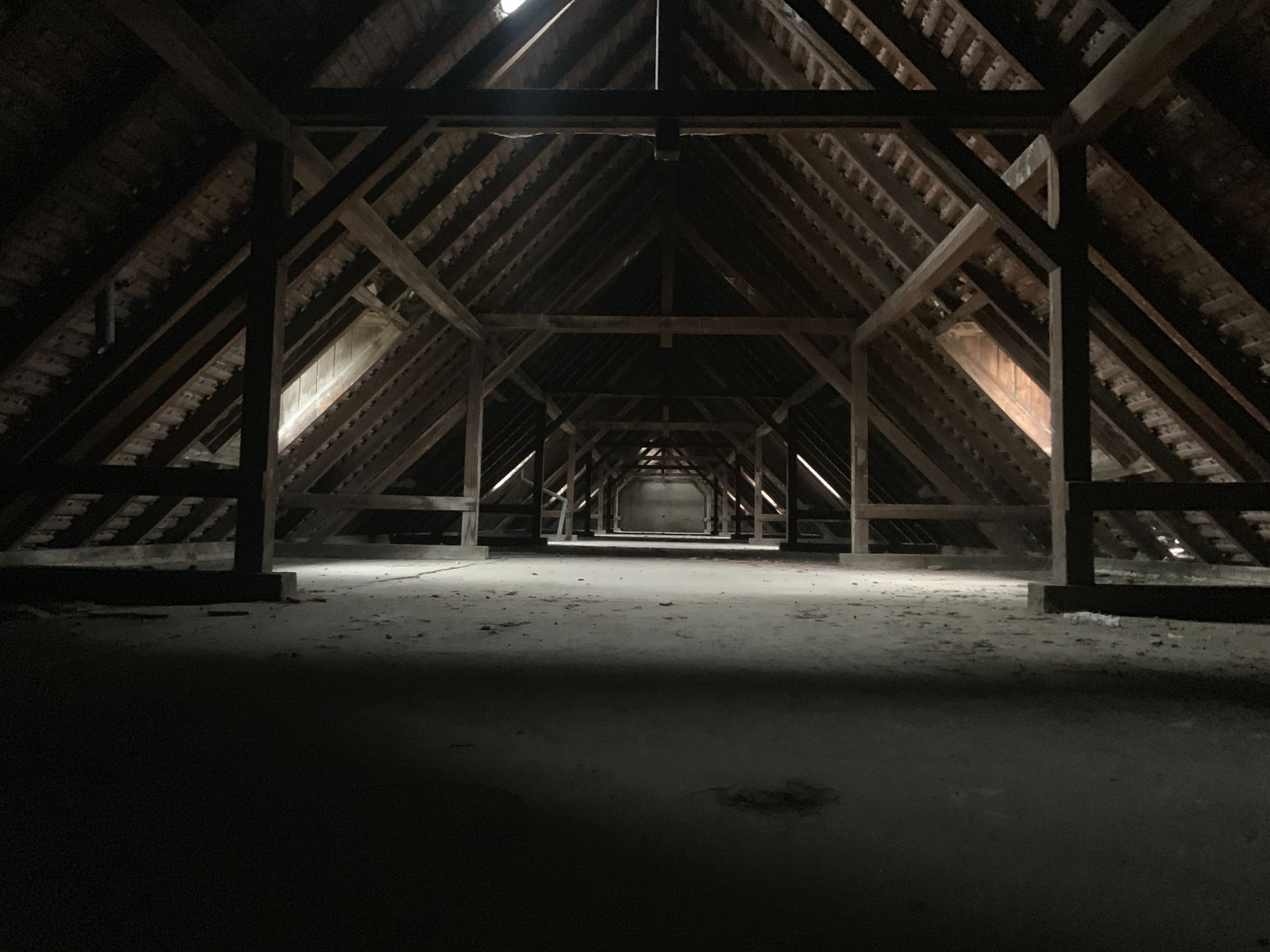
Your attic may seem like a quiet storage space, but for pests, it can become the perfect place to hide and multiply. Warm insulation, dark corners, and limited human activity make attics one of the most common areas for pest infestations. Professional attic pest control services help homeowners remove unwanted pests, prevent property damage, and maintain a healthy living environment.
Ignoring pest activity in the attic can lead to serious problems over time. Rodents, insects, and wildlife can damage insulation, contaminate air quality, and create costly structural issues. Early pest control treatment is the best way to protect your home from long-term damage.
Why Pests Are Attracted to Attics
Attics provide shelter, warmth, and easy access for many types of pests. Small gaps in roofing, vents, or siding allow pests to enter unnoticed.
Common reasons pests invade attics include:
- Warm insulation for nesting
- Protection from weather conditions
- Easy access through roof openings
- Food sources nearby
- Dark and quiet spaces for hiding
Once pests settle inside an attic, they often reproduce quickly, making the infestation harder to control without professional help.
Common Pests Found in Attics
Several types of pests commonly invade attic spaces and create problems for homeowners.
Rats and Mice
Rodents are among the most common attic pests. They chew electrical wiring, wood, and insulation while leaving droppings throughout the area.
Bats
Bats often enter attics through small openings in roofs or vents. Their droppings can create strong odors and health concerns.
Squirrels
Squirrels may damage insulation and wood while creating nests inside attic spaces.
Cockroaches
Attics with moisture problems can attract cockroaches and other insects.
Ants and Termites
Some insects enter attic structures through walls and roofing materials, causing hidden damage over time.
Warning Signs of an Attic Pest Infestation
Many homeowners don’t realize pests are living in the attic until the problem becomes severe. Here are some common signs to watch for:
Scratching Noises
Hearing movement or scratching sounds at night often indicates rodents or wildlife activity.
Droppings and Odors
Pest droppings and urine can create unpleasant smells and unhealthy conditions.
Damaged Insulation
Pests may tear insulation apart while building nests.
Chewed Wires or Wood
Rodents frequently chew on electrical wiring and wooden structures, increasing fire risks.
Visible Entry Points
Small holes or openings near the roofline may allow pests to enter your attic.
If you notice any of these signs, professional attic pest control can help eliminate the infestation before it spreads further.
Benefits of Professional Attic Pest Control
Safe Pest Removal
Professionals use safe and effective methods to remove pests without harming your property.
Prevents Structural Damage
Early treatment helps prevent expensive repairs caused by rodents, termites, and wildlife.
Improves Indoor Air Quality
Removing pests and contaminated materials helps maintain a cleaner and healthier home environment.
Long-Term Protection
Professional pest control companies identify entry points and seal access areas to stop future infestations.
Protects Insulation
Damaged insulation can reduce energy efficiency. Pest control services help preserve attic insulation and lower energy costs.
How Professionals Handle Attic Pest Problems
Professional attic pest control usually involves several important steps:
- Full attic inspection
- Identification of pest activity
- Safe pest removal and treatment
- Sealing entry points
- Cleaning contaminated areas
- Insulation repair or replacement if needed
- Preventative maintenance recommendations
This complete approach helps ensure pests do not return after treatment.
Tips to Prevent Attic Pests
Homeowners can reduce the risk of attic infestations with regular maintenance and inspections.
Seal Entry Points
Close gaps around vents, pipes, and roofing materials where pests may enter.
Trim Tree Branches
Tree branches touching the roof provide easy access for rodents and squirrels.
Reduce Moisture
Fix roof leaks and improve ventilation to prevent damp conditions.
Store Items Properly
Avoid keeping food or clutter in attic spaces that may attract pests.
Schedule Regular Inspections
Routine attic inspections can help detect pest problems before they become serious.
Final Thoughts
Attic pests can cause hidden damage that becomes expensive if ignored. From rodents and bats to insects and squirrels, unwanted pests create risks for both your property and your family’s health.
Professional attic pest control services help eliminate infestations safely while protecting your home from future problems. Regular inspections, preventative maintenance, and fast treatment are the best ways to keep your attic clean, safe, and pest-free throughout the year.